Reviews
Description
Game Introduction
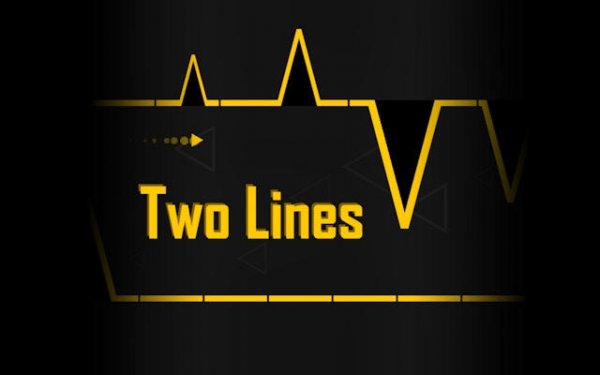
Two Lines Arcade Challenge is a fast-paced, addictive browser game that tests your reflexes and concentration. The core objective is to navigate a small triangle through a narrow corridor formed by two constantly shifting lines. What makes it unique is its simple yet deeply challenging premise—one small mistake ends your run, encouraging players to improve their personal bests. Designed for quick gaming breaks or extended practice, it appeals to both casual gamers and competitive players aiming for top leaderboard positions. Suitable for all ages, this pure skill-based test offers endless replayability.
How to Play
Playing Two Lines Arcade Challenge is easy to learn but hard to master. You control a small triangle moving vertically within a corridor bounded by two moving lines. Using your mouse, keyboard arrow keys, or touchscreen on mobile devices, you must avoid colliding with either line. As you progress, the game speed increases, the lines move closer together, and patterns become more complex, requiring sharp focus and quick reactions. The key to a high score is staying calm, anticipating line movements, and making deliberate, precise moves instead of panicking as the pace picks up.
Game Features
Two Lines Arcade Challenge features endless progressive difficulty that keeps gameplay fresh. Global leaderboards allow you to compare your scores with players worldwide. The game runs instantly in your browser with no downloads or installations required. Its minimalist design ensures a distraction-free focus on the challenge. The straightforward mechanics offer deep replayability, and each session helps improve hand-eye coordination and reaction speed, providing a satisfying mental workout without unnecessary complexity.
Tips for Success
To excel in Two Lines Arcade Challenge, focus on staying calm and patient as the speed increases. Anticipate the movement patterns of the lines rather than reacting frantically. Practice regularly to improve your reaction time and hand-eye coordination. Make small, deliberate movements instead of large jerks to maintain control. Watch the gaps between the lines closely and plan your path ahead. Finally, learn from each failure—analyze what caused the collision and adjust your strategy accordingly to beat your personal best.