 KnightBike Hub
KnightBike Hub
KnightBike Hub
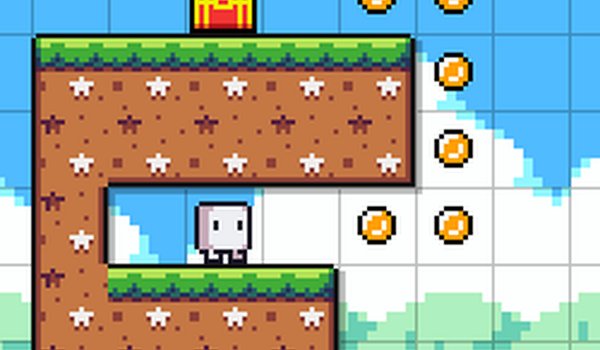
Thrifty Tile Challenge stands out by adding a coin-management layer to the familiar block-placing puzzle formula. Each level becomes a small economy problem: spend too freely and your score suffers, but being too frugal might leave you stuck. The gradual difficulty curve ensures that newcomers can learn without frustration, while veterans can chase perfect scores. The pixel visuals and soothing soundtrack make extended play sessions feel relaxed rather than taxing. It is a well-crafted puzzle game that respects the player's time and intelligence.
Thrifty Tile Challenge is a 2D puzzle where players move a character across platforms to reach a designated exit. The twist is that every item placed or used costs coins from a limited supply. Blocks create new paths, while hammers clear obstacles. Deciding when to spend and when to find a cheaper route is the heart of the challenge. Each level presents a new arrangement of gaps, walls, and goals, requiring fresh thinking rather than rote solutions.
Coins serve as both currency and score. Spending fewer coins per level yields a higher rating, encouraging players to seek the most efficient solution. This budgeting element adds a layer of strategy beyond typical block-placing puzzles. Players must weigh the convenience of using a tool against the cost, often discovering that a well-timed jump or a clever path eliminates the need for extra items.
The game uses colorful pixel graphics with a clean, minimalistic style. Each level is distinct but maintains a consistent visual theme that is easy on the eyes. A gentle, looping soundtrack accompanies gameplay, helping maintain a relaxed atmosphere even when puzzles become tricky. The combination of simple visuals and pleasant music makes the game suitable for short breaks or longer sessions.
Early levels introduce basic movement and item placement, while later stages add more complex layouts and tighter coin budgets. The difficulty curve is gradual, ensuring that new players can learn the mechanics without frustration. There are no time limits or penalties for restarting, so players can experiment freely. This design supports both casual play and more dedicated attempts at achieving perfect scores.
Keyboard controls handle character movement—left, right, and jump—while a mouse or touch input selects and places items from an inventory. The control scheme is intuitive and responsive, reducing the learning curve. The interface is clean, with clear indicators for coin count and available items. This simplicity makes the game accessible to younger players and those less familiar with complex puzzle games.
Player Comments
Sign in to comment
You must be logged in before posting a review or rating.
No account? Create one
No comments yet. Be the first to comment!