 KnightBike Hub
KnightBike Hub
KnightBike Hub
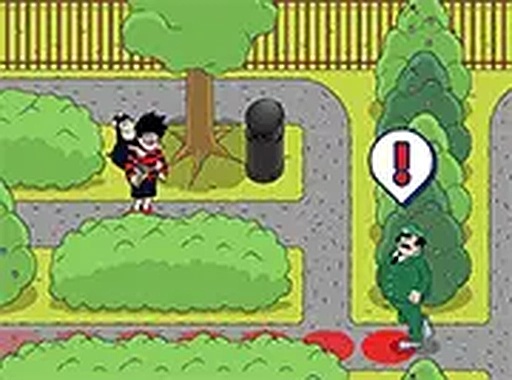
Silent Path Puzzle Quest delivers a family-friendly stealth experience built on observation and timing. The core loop of navigating mazes, watching patrol routes, and using hiding spots is simple to grasp but offers enough spatial reasoning to stay engaging. The gentle difficulty curve and lack of harsh failure make it a good fit for children or adults seeking a low-pressure puzzle game. Its main limitation is that the concept may feel repetitive for players wanting more varied mechanics.
In Silent Path Puzzle Quest, you control a young character tasked with returning borrowed items to their correct locations. The challenge is not finding the objects but moving through maze-like environments without being noticed. Each level introduces a new layout with different obstacles and paths, so you cannot rely on memorized routes from previous stages. The game blends spatial reasoning with timing: you must decide when to move and when to wait.
Characters who might spot you follow set patrol routes. Observing these patterns is essential before you make a move. Hiding spots provide temporary safety, letting you pause and reassess your strategy. The game encourages a slow, deliberate pace rather than speed. Mouse clicks or touch inputs guide your character along the maze corridors, keeping controls simple and accessible.
The graphics use bright, friendly colors that make the game approachable for all ages. Character designs are simple and expressive, with a clean art style that keeps the focus on gameplay. Environments vary from level to level, with different themes that add visual interest without distracting from the core puzzle mechanics. Early levels introduce basic navigation and simple patrol patterns. As you advance, mazes become more complex, with multiple items to return and more watchful characters. The difficulty curve is gentle, giving players time to learn each new element before it becomes more challenging.
Silent Path Puzzle Quest rewards players who think ahead. Before moving, it helps to identify the shortest route to the item drop-off point and note where patrols are likely to be. Using hiding spots effectively can save time and reduce risk. The game does not punish failure harshly; instead, each attempt teaches something new about the level layout or character behavior. This trial-and-error approach keeps the experience engaging without being frustrating.
The game is built around themes of responsibility and careful decision-making. There is no violence or conflict, only the gentle challenge of completing a task without disruption. This makes it a good choice for parents seeking screen time that encourages problem-solving. The simple controls and clear objectives mean that even young children can play with minimal assistance.
Sign in to comment
You must be logged in before posting a review or rating.
No comments yet. Be the first to comment!





Editorial Notes